[Case 02]
“We didn’t fix the app. We rebuilt the relationship between drivers and operators.”
Logistics / B2B
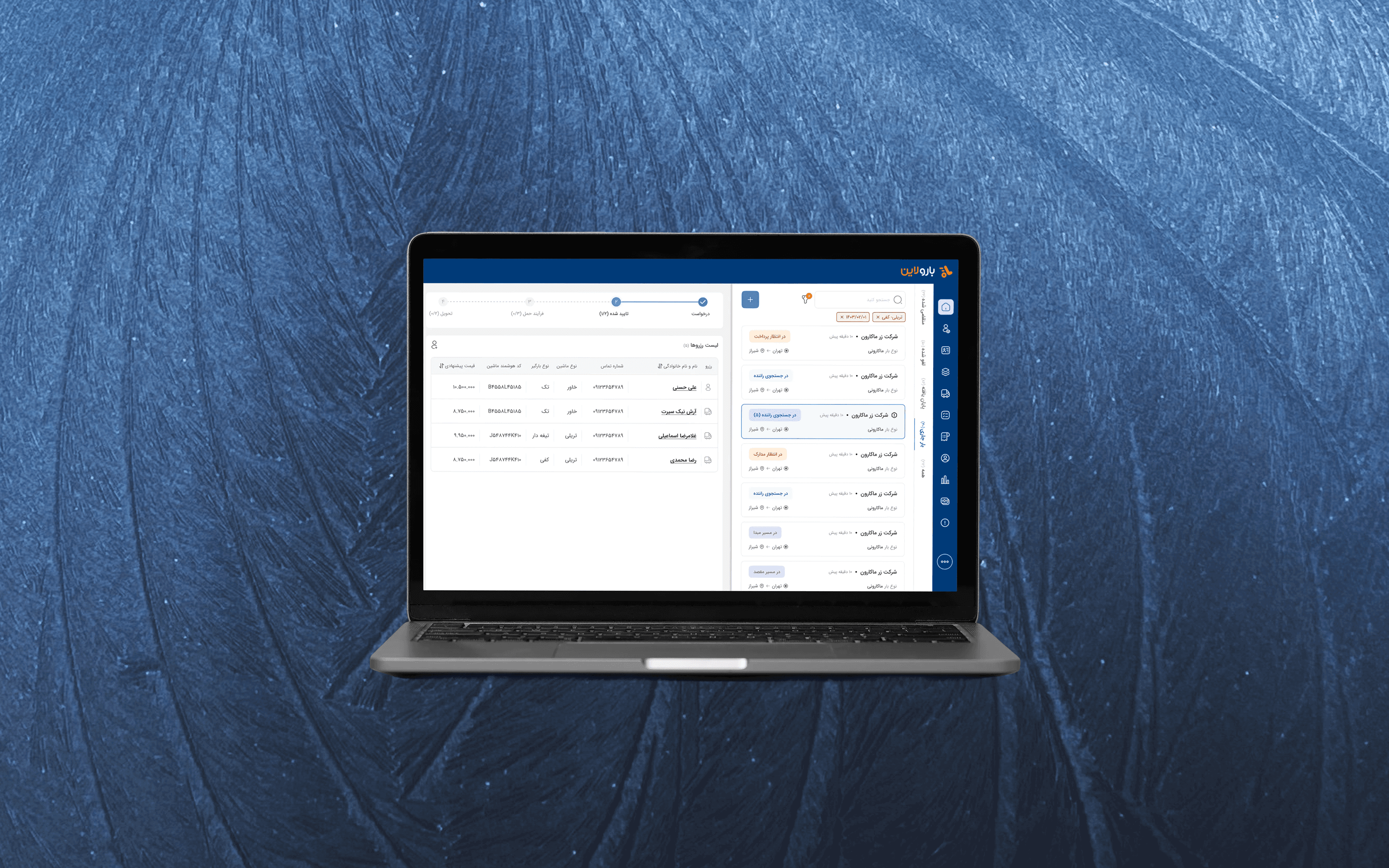
Baroline: Logistics That Works When Phones Don’t
Redesigning a failed platform by listening to drivers who refused to use it — and operators who kept paper notebooks.
[Project Overview]
Baroline’s first version crashed and burned. Drivers stopped using it. Operators went back to spiral notebooks. I led the redesign that rebuilt the system from the ground up — not by adding features, but by removing everything that got in the way of real work. The result: two separate interfaces (driver + operator), six core driver actions, and a system that works offline, one-handed, and under pressure.
[Problem Statement]
The old Baroline app was built for visibility — not reality. Drivers hated it because it required too many taps, failed offline, and distracted them from driving. Operators couldn’t trust it, so they kept tracking everything in notebooks. Coordination was slow, error-prone, and stressful. The real problem wasn’t the UI — it was that the system treated drivers and operators as one user, when their needs were opposites.
[Industry]
Logistics / B2B
[My Role]
Product Designer
[Platforms]
Desktop and Android
[Timeline]
September 2022 - March 2023
[Persona]

Maryam
Operations Manager
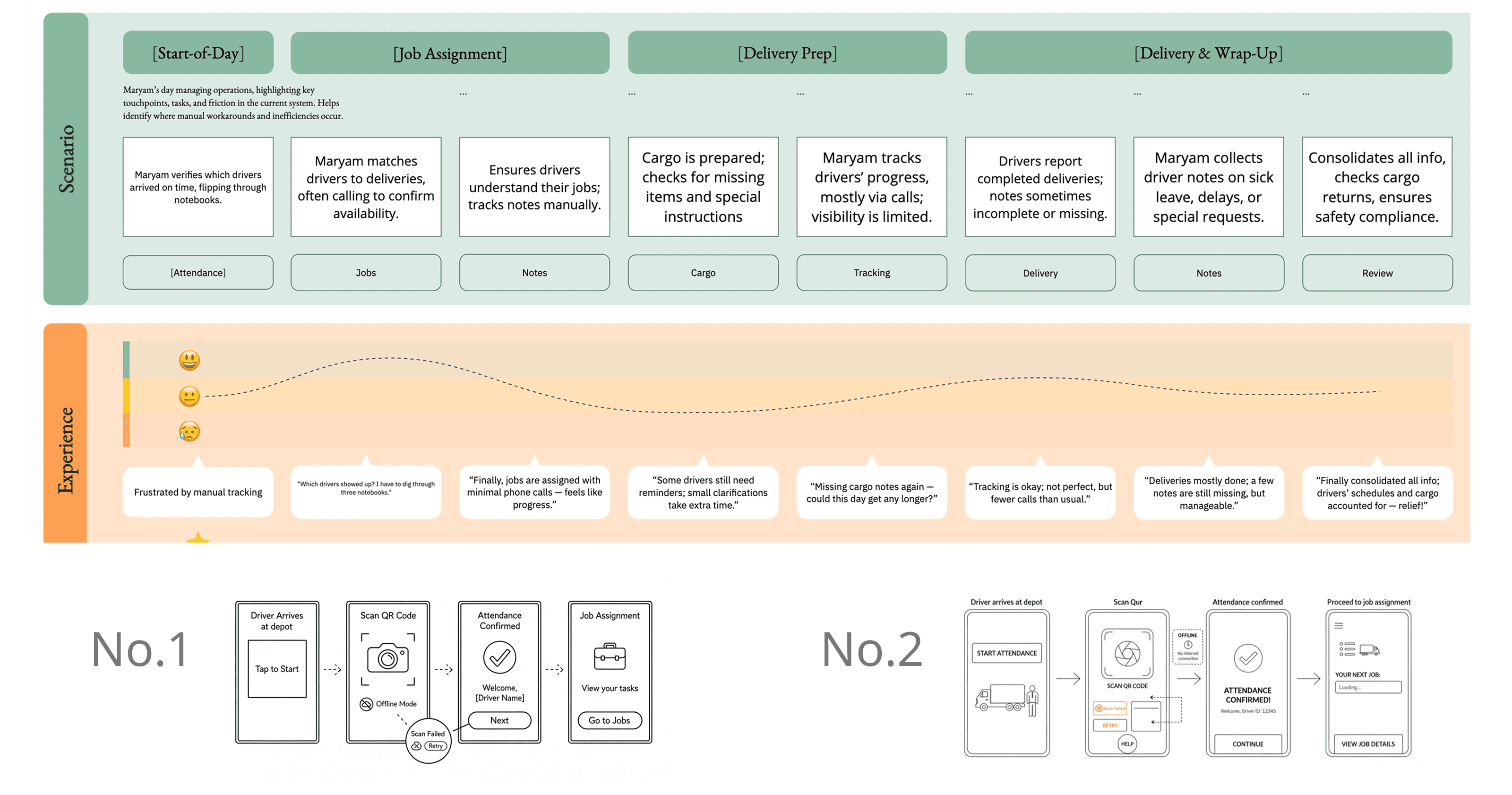
Maryam manages 15 drivers daily. She’s been doing this for 3 years — she knows every route, every driver’s habits, every delay. She used to track everything in 3 spiral notebooks: who’s late, who’s sick, who needs a call. The old Baroline app didn’t have a place for any of it. So she wrote it down — because the system made her do it.
Age: 33
Location: Tehran, Iran
Tech Proficiency: Low
Gender: Male
[Goal]
See which drivers are on time, delayed, or off-route — without flipping through binders.
Assign jobs quickly and safely — without miscommunication or manual follow-up.
Track driver notes (sick, late, special requests) — digitally, not in a notebook.
[Frustrations]
Had to track everything manually - because the system had no place for real notes.
Job assignment was chaotic. No clear matching logic. Had to negotiate with drivers constantly to get loads covered.
Zero support for safety or return cargo. Couldn’t guarantee a driver wouldn’t come back empty
[Process]
[Outcome]
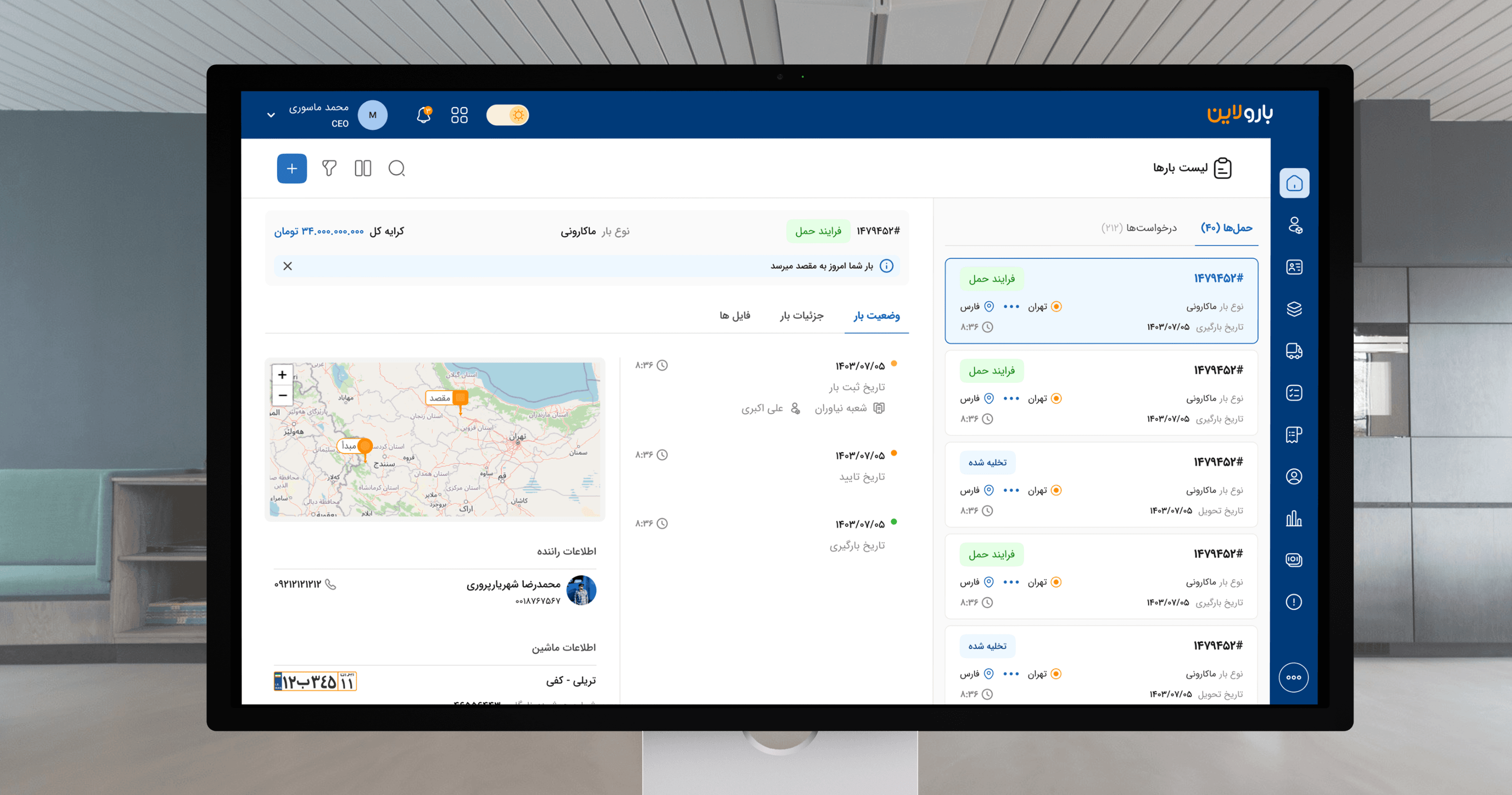
Replaced spiral notebooks with a digital system that captures real operator notes — no more lost info.
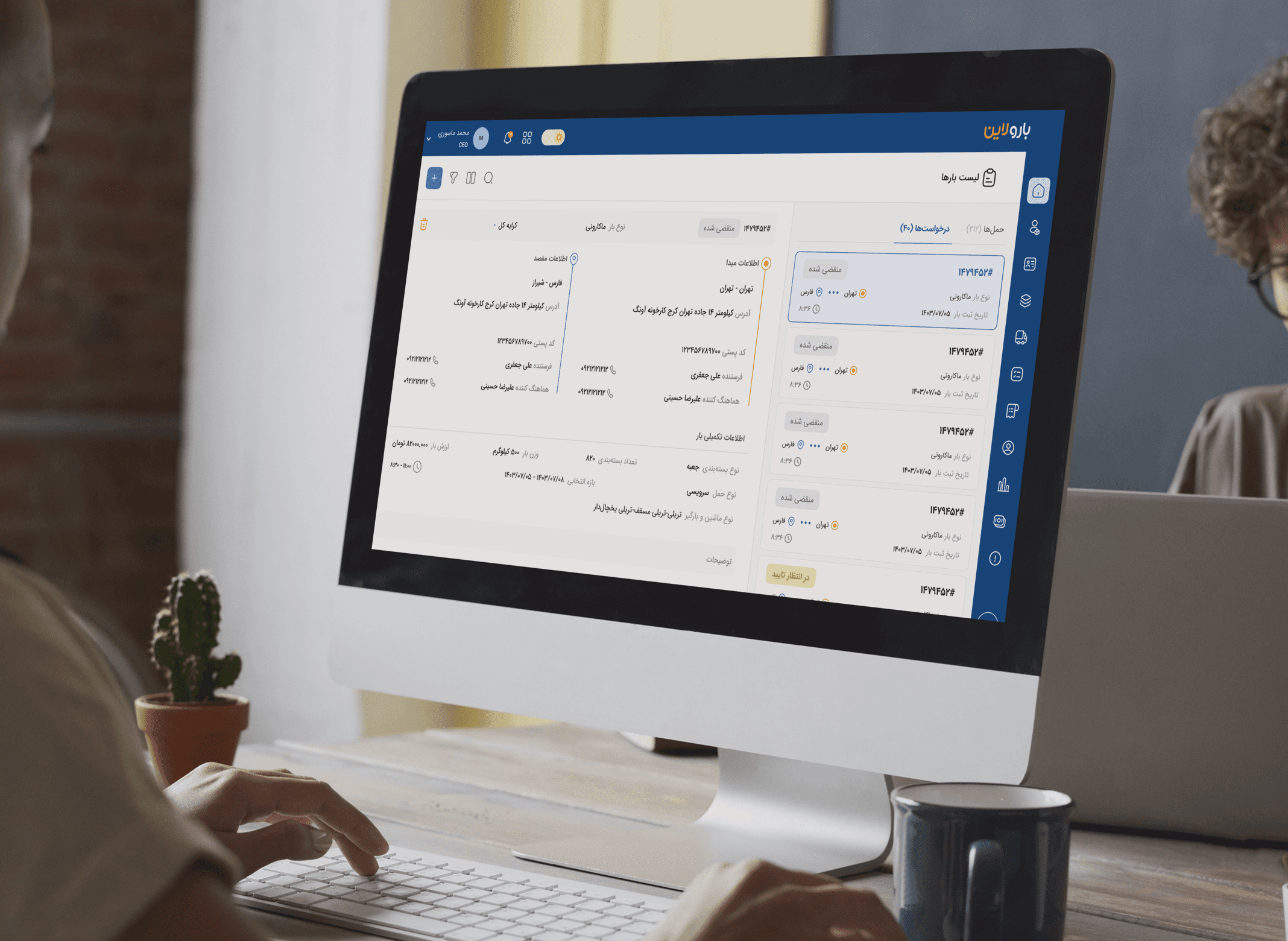
Fixed chaotic job assignment with a two-step flow and return cargo visibility — no more missed loads.
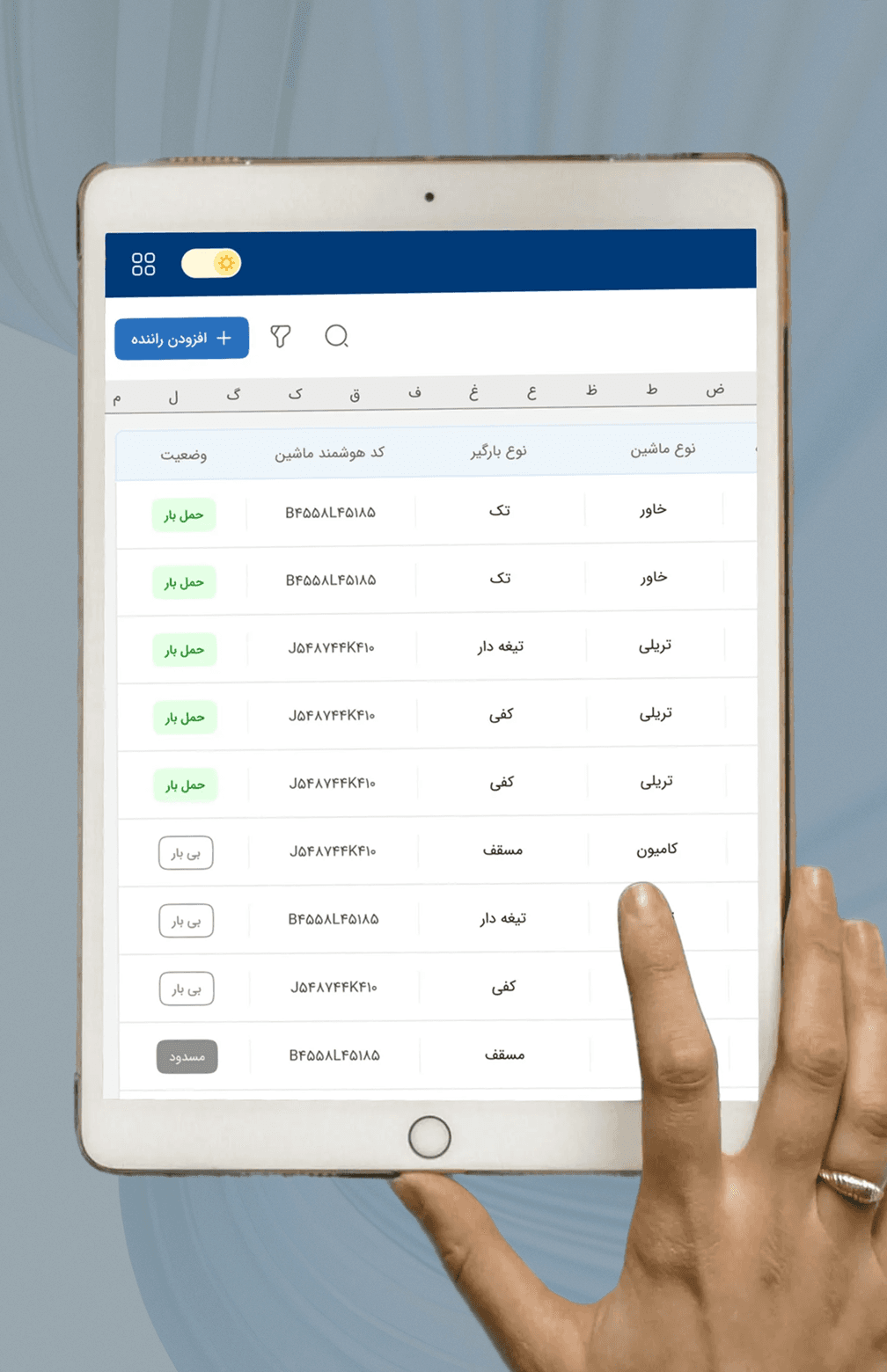
Gave operators real-time control over safety, delays, and driver status — not just data, but action.
[Before]
Maryam spent her mornings flipping through three spiral notebooks — one for driver status, one for notes, one for job assignments. The old Baroline app didn’t capture any of it. When a driver was late, she’d call them — then write it down. When a job assignment failed, she’d reassign manually — then call again. There was no real-time visibility, no fail-safe for offline use, and no way to log critical notes digitally. It was chaotic, error-prone, and exhausting.
[After]
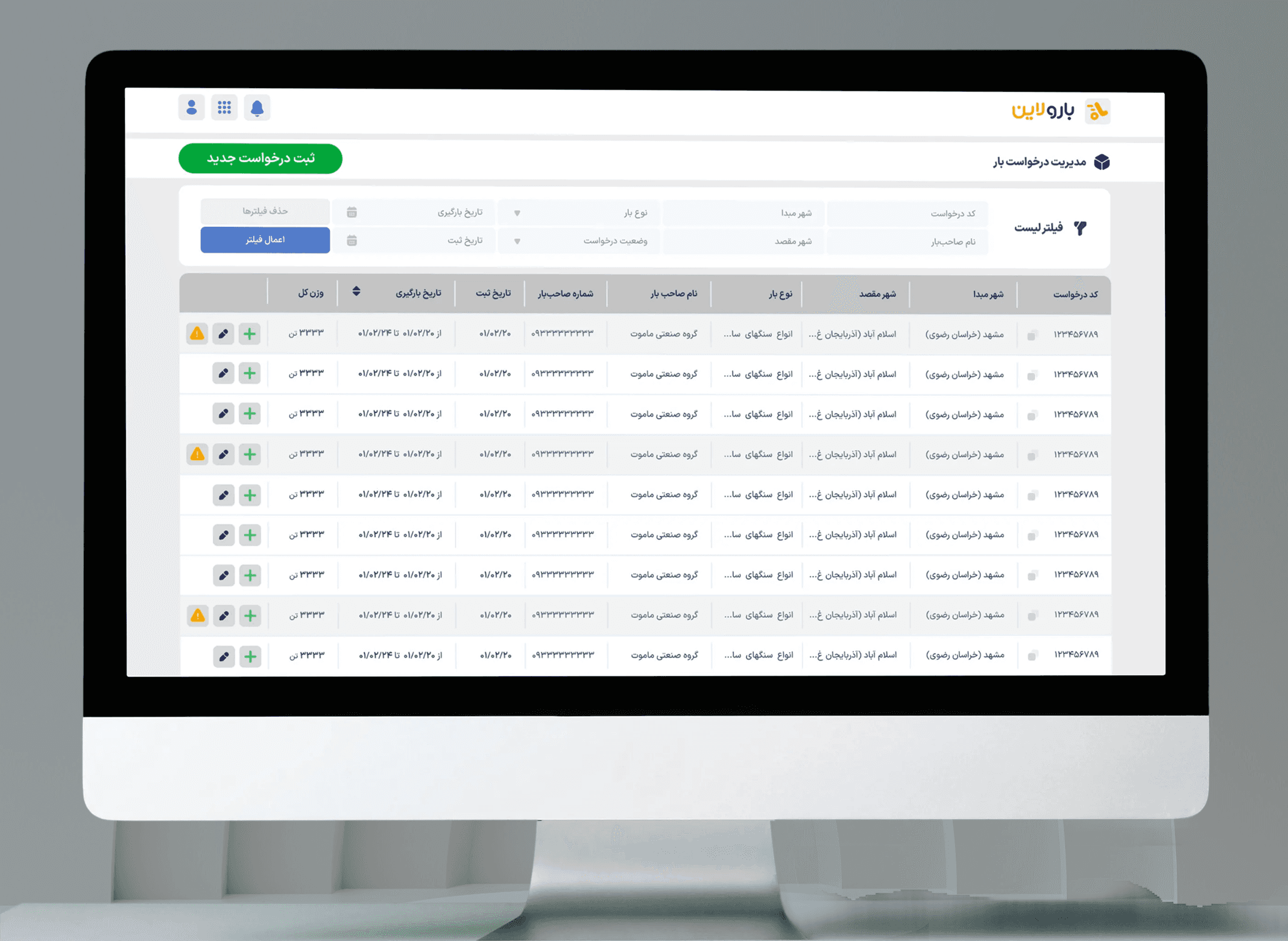
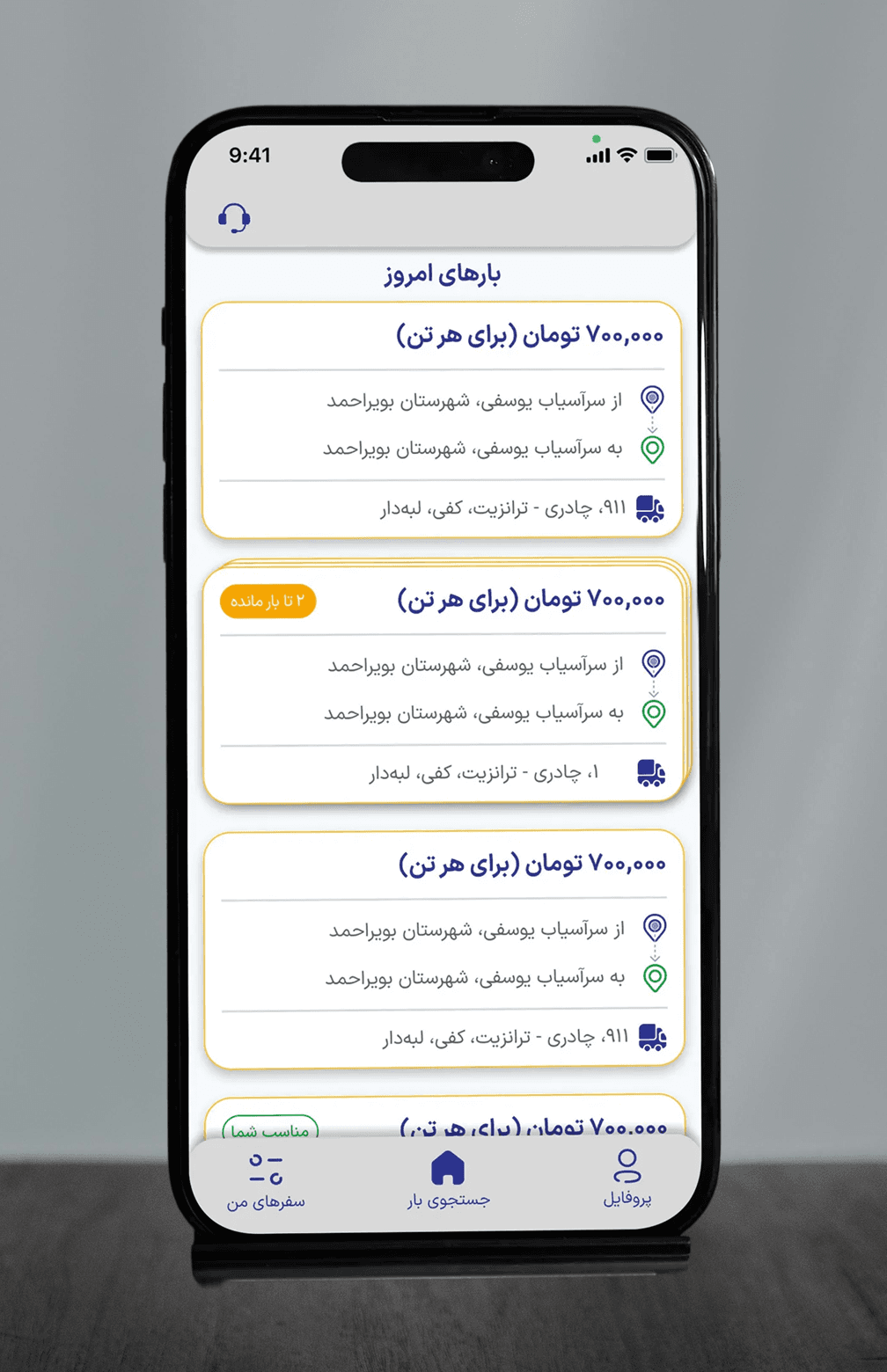
Now, Maryam sees real-time driver status (green/yellow/red) on her dashboard. She assigns jobs with a two-step confirm flow — no more misassignments. Driver notes (sick, late, special requests) live right next to their profile — no more scribbling in notebooks. Offline mode ensures nothing gets lost. Most importantly: she doesn’t need her notebooks anymore. The system finally captures what she was writing down every day — and works when phones don’t.
[Key Learnings]